
Benetick Maddison: Marshallese
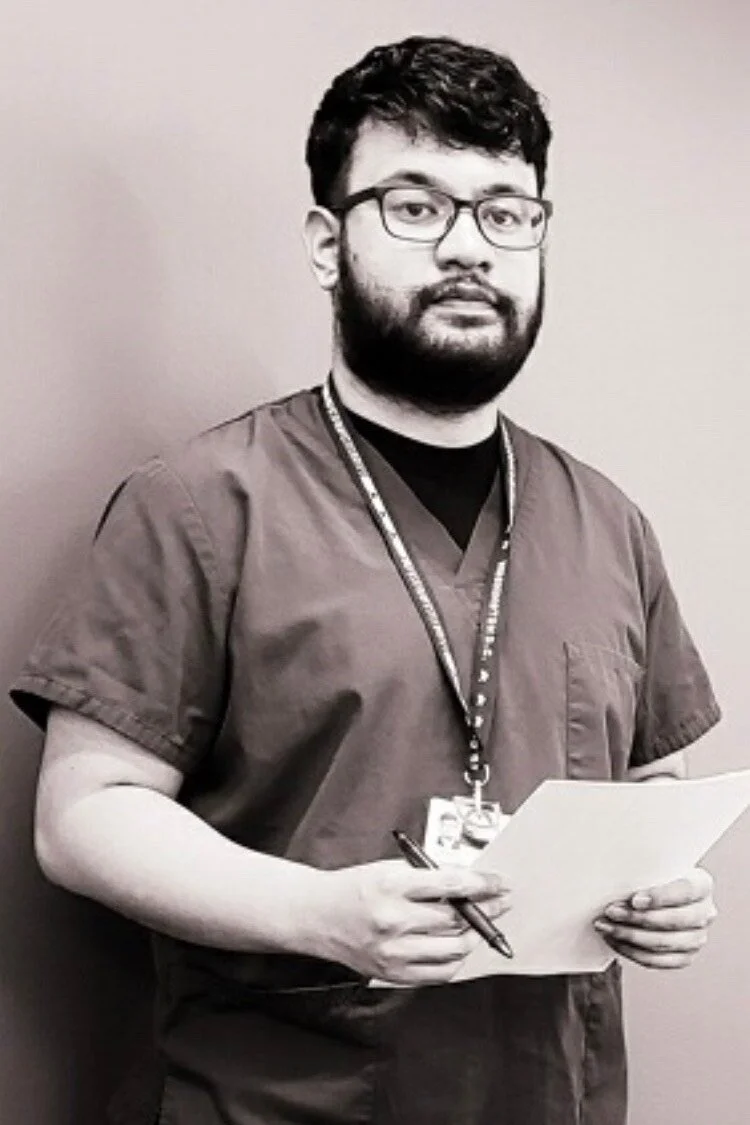
Before, I did not fully comprehend the impact of the international agreement – the Compact of Free Association - between the Marshall Islands and the United States. I mean, of course I knew that the agreement allows for Marshallese to enter and exit the U.S. as we please, but I did not fully grasp why, nor did I really bother to ask. This is not a topic covered in public schools in Springdale, Arkansas, where I live, even when 1/5 of the student body is Marshallese. I later learned that the Compact was created as a result of the nuclear testing program in the Marshall Islands. The whole time I thought it was due to the U.S. military presence on Kwajalein Atoll. I have since learned the base is just a small reason for the creation of the Compact.
Although the nuclear testing program ended six decades ago, the scars it left behind are still visible in the 21st century. As for the Compact, which I now view as an imperialist policy, it has not lifted our islands from poverty, nor has it improved our health and economy. We are still a developing nation, suffering from the effects of nuclear weapons tested during the times when my great-great grandparents were still alive. How much longer must we endure this injustice? I often hear people refer to the bond between the Marshall Islands and the United States as a “special relationship.” There is nothing special about poisoning a population and giving them inadequate assistance.
Today I work a part time job at a diabetes clinic dedicated to Marshallese patients, most of whom do not have healthcare. A few years ago Marshallese citizens were eligible for Medicaid, but reforms made in 1996 didn’t include Marshallese. It was unintentional, we were told. An oversight, a mistake. That’s what they said about the Bravo detonation. After being forced to sacrifice our health and islands “for the good of mankind,” we should not have to beg Washington D.C. for access to better healthcare. Many Marshallese in the states are dying from cancer and other nuclear-related diseases due to the lack of access to better healthcare. I have lost count of how many Marshallese patients we have loss since I started at the clinic in 2017.
Seventy-five years after the horrific bombings in Hiroshima and Nagasaki, we still have more work to do. The nuclear genocide perpetrated on the Marshallese people, lands, and culture continues to this day. What the U.S. did to our motherland and our bodies we do not want the same to happen to others. The fight for a nuclear-free world continues.